Luxury Without Ownership: The Lifestyle of Modern Success

icon

Welcome to BankModels Premium Introduction Service for Upscale Daters Worldwide.

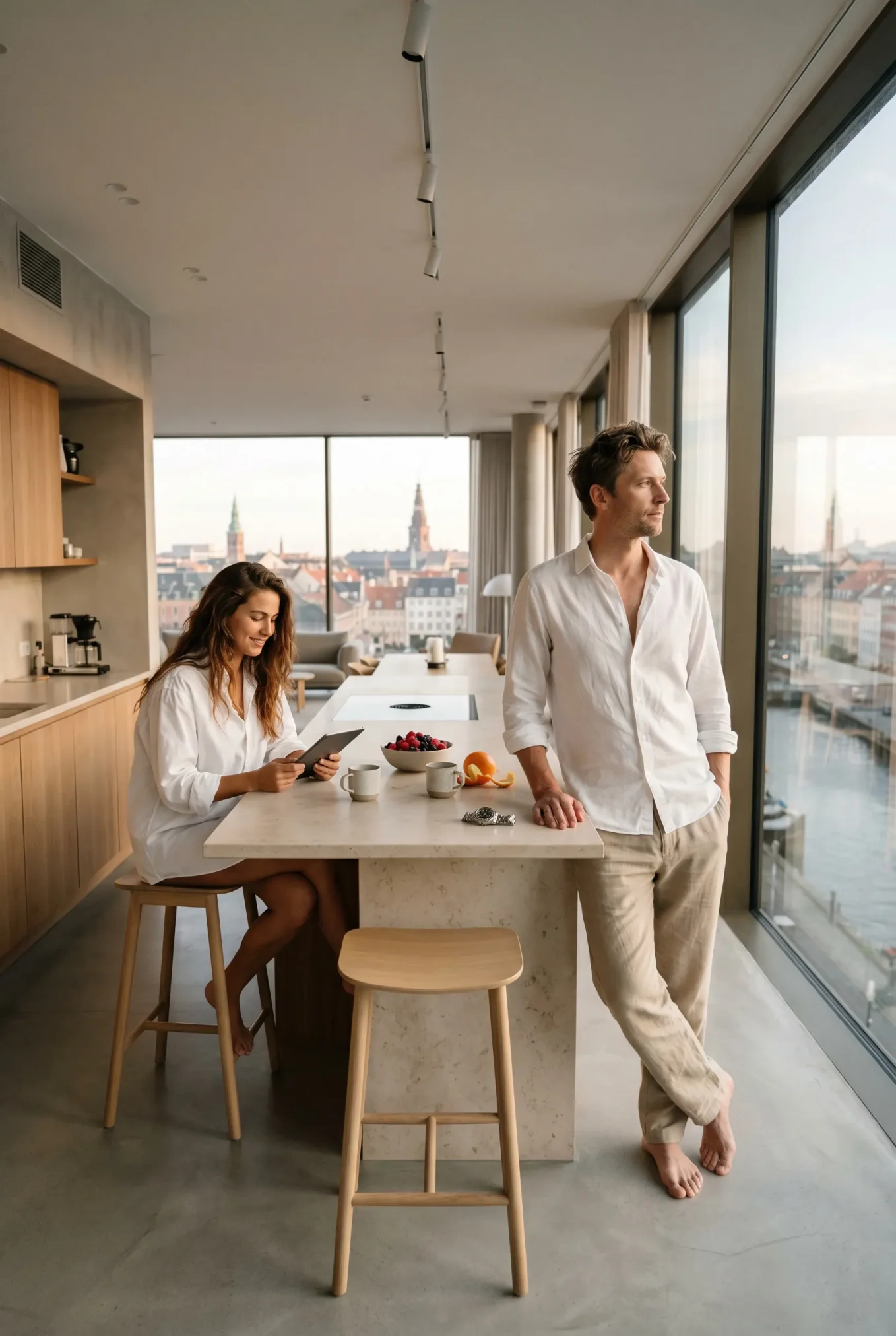
Man and woman in white shirts in a Scandinavian-style kitchen with fruit and coffee cups on the table

From Rented Yachts To Temporary Relationships


The New Luxury Is No Longer About Owning More — It Is About Carrying Less.


There was a time when luxury looked heavy.

Heavy houses. Heavy watches. Heavy marriages. Heavy dining tables

that could survive both a family dinner and a small earthquake.

The richer a person became, the more objects appeared around them

like expensive emotional support animals demanding constant

maintenance.


A successful man in the 1980s dreamed about owning everything

permanently. House. Boat. Wife. Vacation home. Three-piece

Italian sofa large enough to host diplomatic negotiations.


Today even wealthy people look at that lifestyle the way modern

travelers look at checked luggage: technically impressive, but

deeply inconvenient.

The new luxury is lighter.

People still want beauty, comfort, exclusivity, and unforgettable experiences. They simply no longer want

the emotional paperwork attached to them. The current affluent lifestyle is quietly shifting from ownership

to access. Less “this is mine forever,” more “this fits my life perfectly right now.” And honestly, after the third

property tax bill and the fourth leaking roof, many people discovered something revolutionary:

freedom is sweeter than storage.

“We Outgrew Heavy Houses, Heavy Cars, And Heavy Promises. The Contemporary Upgrade Is Weightlessness.”

The Countries That Turned Access Into a Lifestyle


Some places adapted to this new philosophy faster than others.

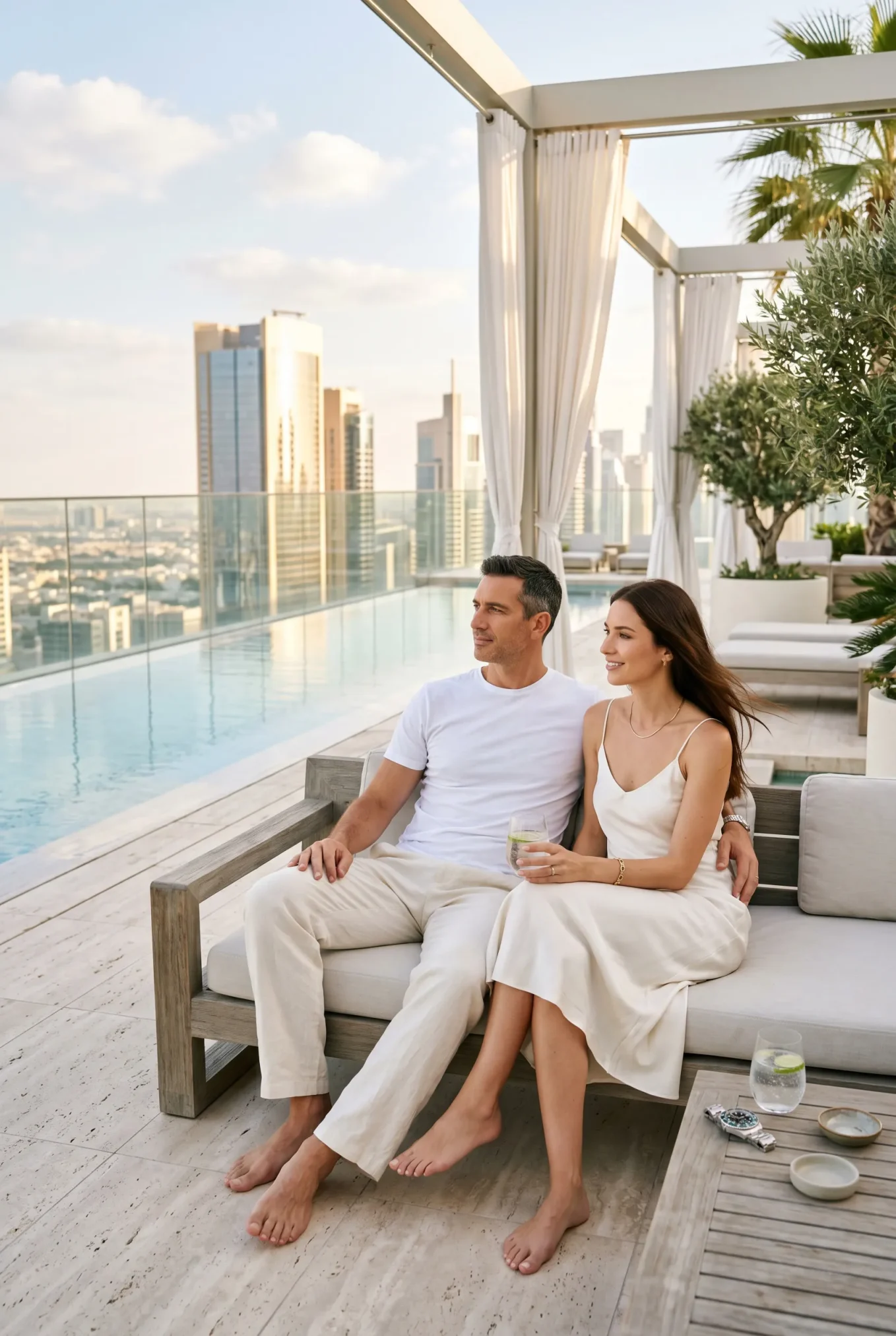
Dubai, for example, practically turned temporary luxury into an Olympic

sport. The city normalized short-term access to high-end experiences

long before the rest of the world caught up.


People rent penthouses for a month, charter yachts for a weekend,

and move through social circles the way Formula 1 cars move

through Monaco — quickly, precisely, and without emotional

attachment to parking spaces.


Luxury in Dubai often feels less like ownership and more like

a perfectly curated scene. The city understands something

important: many successful people no longer want to spend their

lives maintaining assets. They want mobility.


London evolved differently. British luxury became quieter, more

discreet, and almost allergic to showing off. Private members’ clubs,

concierge services, and short-term residences in Mayfair turned

temporary sophistication into a fine art. In London, wealth whispers

instead of shouting from a Lamborghini.


Man and woman in light clothing sitting barefoot on a bright terrace with a city skyline view and drinks on the table

Scandinavia took an even stranger turn. In Copenhagen, Oslo, and Stockholm, many affluent people

openly prefer simplicity over visible excess. There is something deeply Scandinavian about spending millions

on a minimalist home designed to look like nobody rich lives there.


The new Nordic fantasy is not a gold-plated palace. It is peace. Silence. Clean air. Heated floors.

Maybe a sauna facing a lake where absolutely nobody asks about your LinkedIn strategy.


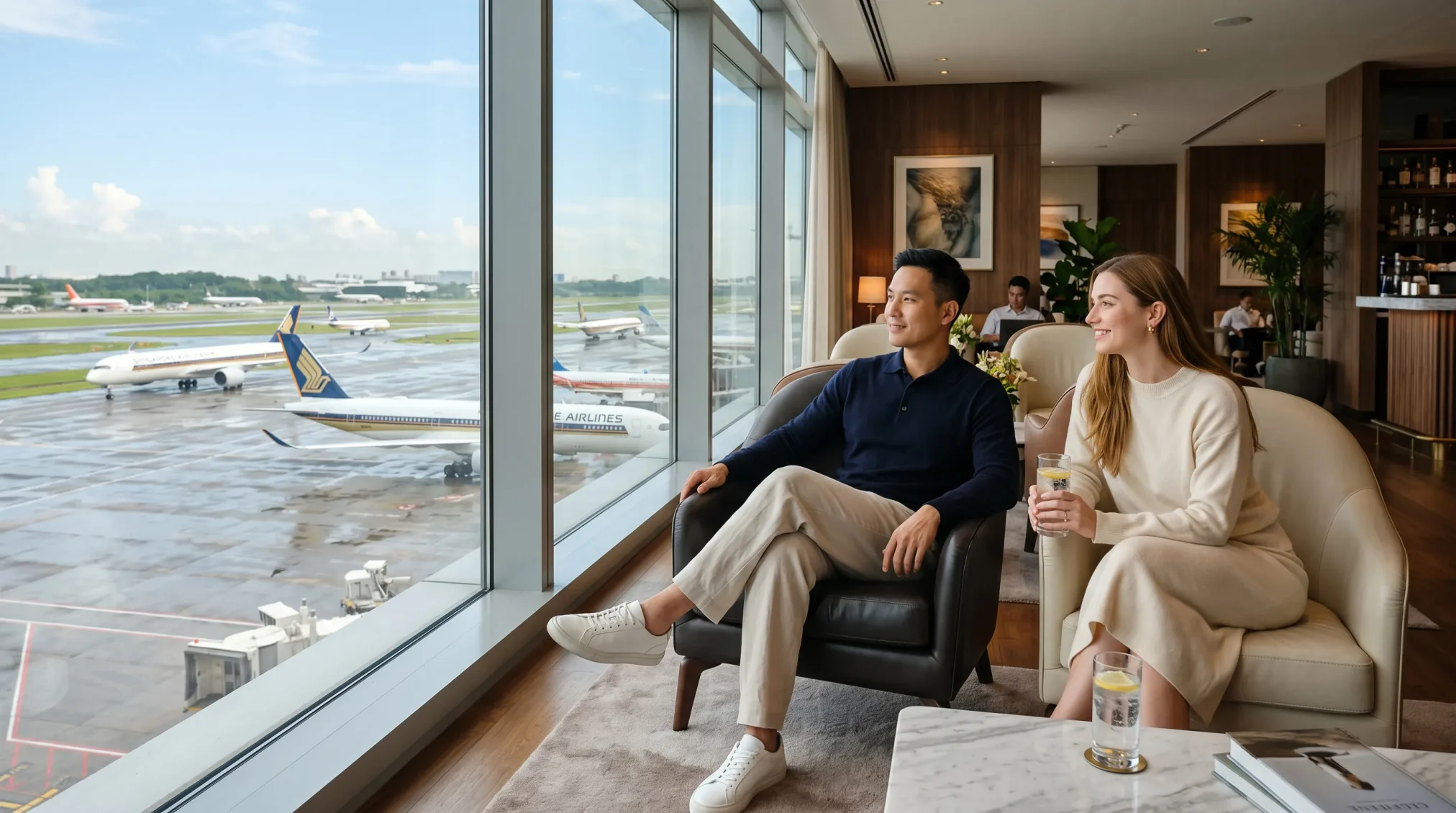
Singapore also embraced the “access lifestyle” with surgical precision. High-income professionals

there often prioritize efficiency over accumulation. Why own five unnecessary things when you can access

exactly what you need, exactly when you need it? In many ways, luxury stopped behaving like a museum

collection and started behaving like Spotify.

Man and woman sitting in an airport lounge overlooking airplanes on the runway through large windows

Why Rich People Got Tired of Owning Everything


There is a point where ownership stops feeling luxurious and starts feeling administrative.

A yacht sounds glamorous until you realize it behaves like a floating financial emergency that

occasionally needs repainting.


Large houses become full-time relationships with electricians. Expensive wardrobes require

climate control more sophisticated than some small countries. At some point, many affluent

people quietly ask themselves: “Am I enjoying this… or managing it?” That question changed modern luxury.


Research across younger affluent demographics consistently shows that experiences now matter more

than possessions. Millennials and Gen Z travelers spend heavily on curated travel, wellness retreats,

private dining, and temporary high-end experiences rather than long-term material accumulation.

The logic is simple.


Experiences travel lightly through memory. Objects demand maintenance forever.

A Ferrari is exciting for six months. Peaceful sleep remains underrated for decades. “Luxury starts

losing its charm the moment it begins managing your calendar.” This shift also explains why

subscription-based luxury exploded globally.


Private aviation memberships, luxury rental platforms, concierge travel, wellness clubs, private chefs

on demand — people increasingly prefer flexibility over commitment. Even emotionally, modern wealthy

individuals are becoming suspicious of excess. Too much stuff creates noise. Too many obligations

create psychological weight.


Too many possessions quietly consume attention like elegant parasites dressed in Italian leather.

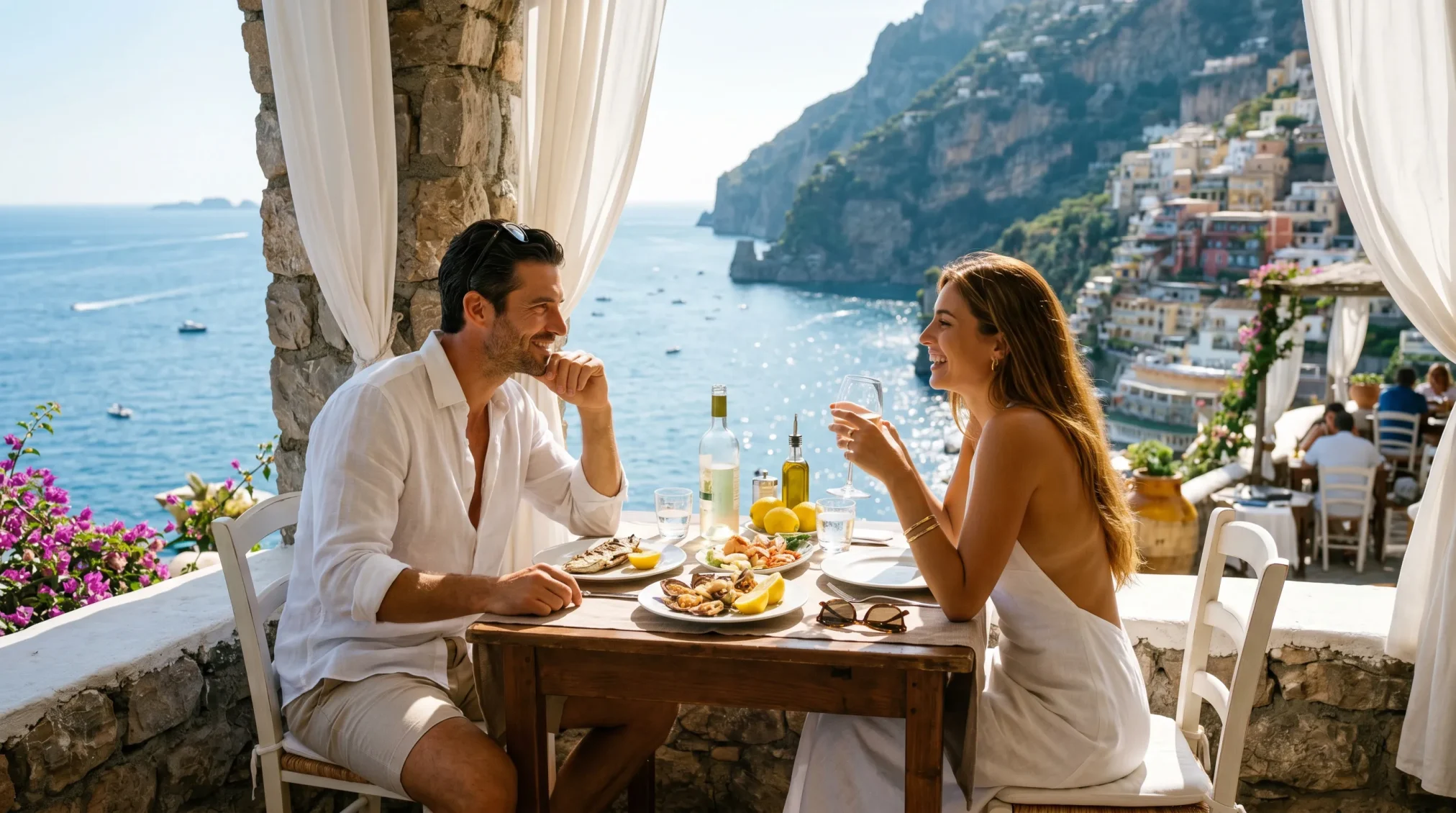
Couple dining on a restaurant terrace overlooking the sea and hillside city with seafood and wine on the table

Access Became More Attractive Than Ownership


The modern luxury mindset is surprisingly practical. Owning a yacht used to symbolize status.

Today, chartering one often symbolizes intelligence. Why maintain a floating hotel all year when

you can simply appear on one when life feels cinematic enough?


The same philosophy now applies almost everywhere:


● temporary residences,

● private travel,

● exclusive memberships,

● on-demand services,

● even social experiences.

The rise of the modern luxury lifestyle is not really about becoming less wealthy.

It is about becoming less trapped.


This mindset has quietly reshaped relationships too.


Modern affluent people increasingly approach companionship the way they approach travel,

memberships, or luxury experiences — through compatibility, timing, and emotional quality rather

than permanent ownership. This is partly why the demand for an elite travel companion or curated

social companionship continues to grow in cities like London, Dubai, and Singapore.


People value presence, chemistry, intelligence, and shared lifestyle more than heavy long-term structures

built out of obligation alone. It may sound unromantic to older generations, but modern relationships often

function less like ownership and more like beautifully timed access to connection, energy, and experience.


And strangely enough, that honesty sometimes makes them feel more genuine, not less.

People still want extraordinary environments. They still want beauty, comfort, exclusivity, and elevated experiences.

But they increasingly want those things without permanent emotional weight attached to them.

It is luxury without domestic captivity.

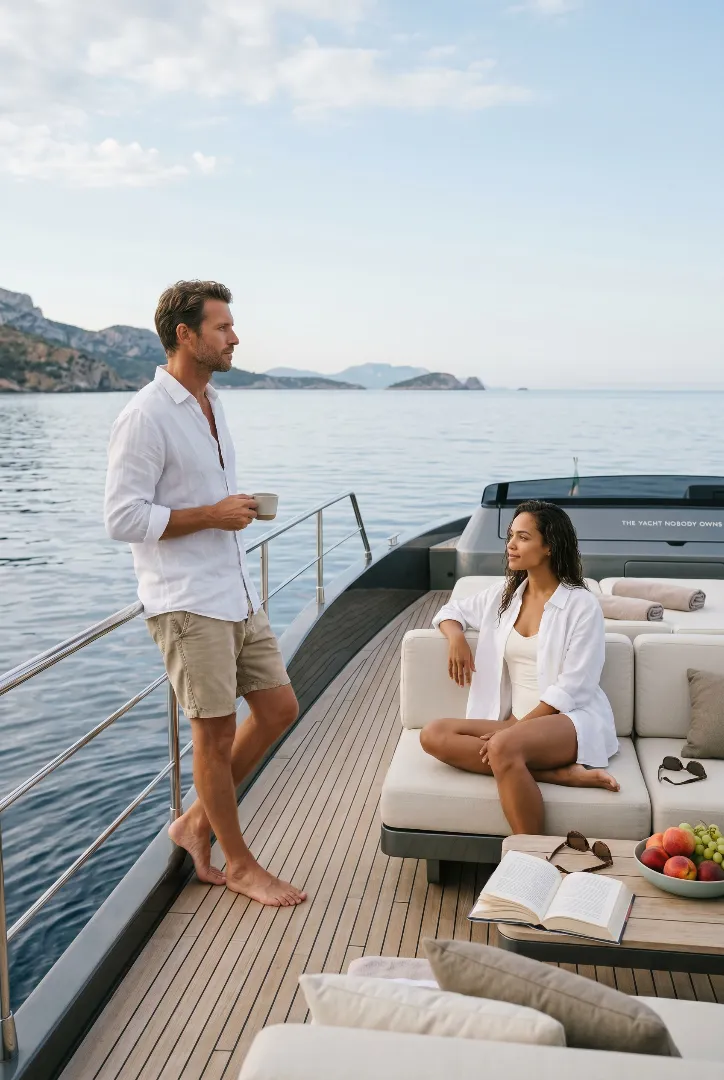
Man and woman in white shirts relaxing on a yacht at sea with fruit on the table and a cup in hand

Relationships Became Lighter Too


The same cultural shift quietly transformed relationships.

For decades, society treated permanence as the ultimate romantic

achievement. The longer something lasted, the more “real” it

supposedly became. But current life complicated that idea.


Careers move faster. People relocate constantly. Personal identities

evolve every few years like software updates with emotional side

effects. As a result, many intelligent adults no longer force every

connection into a lifelong contract on the second dinner date.


That does not mean relationships became meaningless. In many

cases, they became more honest.


People increasingly value companionship, emotional compatibility,

shared experiences, and mutual respect over dramatic promises

nobody fully understands at 2 a.m. over overpriced wine.


Sometimes a connection lasts forever.

Sometimes it lasts one chapter.

Sometimes it simply arrives at the right moment and leaves life slightly

better than it found it.

And strangely enough, there is something mature about admitting that not every meaningful

relationship must end with shared cemetery plots and matching orthopedic shoes.

The growing interest in curated social lifestyles reflects this emotional evolution perfectly.

The new elite is becoming more selective not because they care less, but because emotional chaos became exhausting.

“Not every connection is meant to become permanent. Some people arrive simply to make a season of life better.”

The New Status Symbol Is Emotional Lightness


Old luxury was visual. New luxury is psychological.

The most impressive people today are often not the loudest or richest-

looking individuals in the room. They are the calmest. The least chaotic.


The people whose nervous systems are not permanently vibrating like

overloaded Wi-Fi routers. In 2026, peace became more impressive

than gold.


● Free time became more impressive than status.

● Privacy became more impressive than visibility.

● Silence became more impressive than attention.


That is why private lifestyle experiences feel so attractive now. They

offer something the contemporary lifestyle rarely gives people naturally:

relief.


● Relief from noise.

● Relief from maintenance.

● Relief from constant performance.

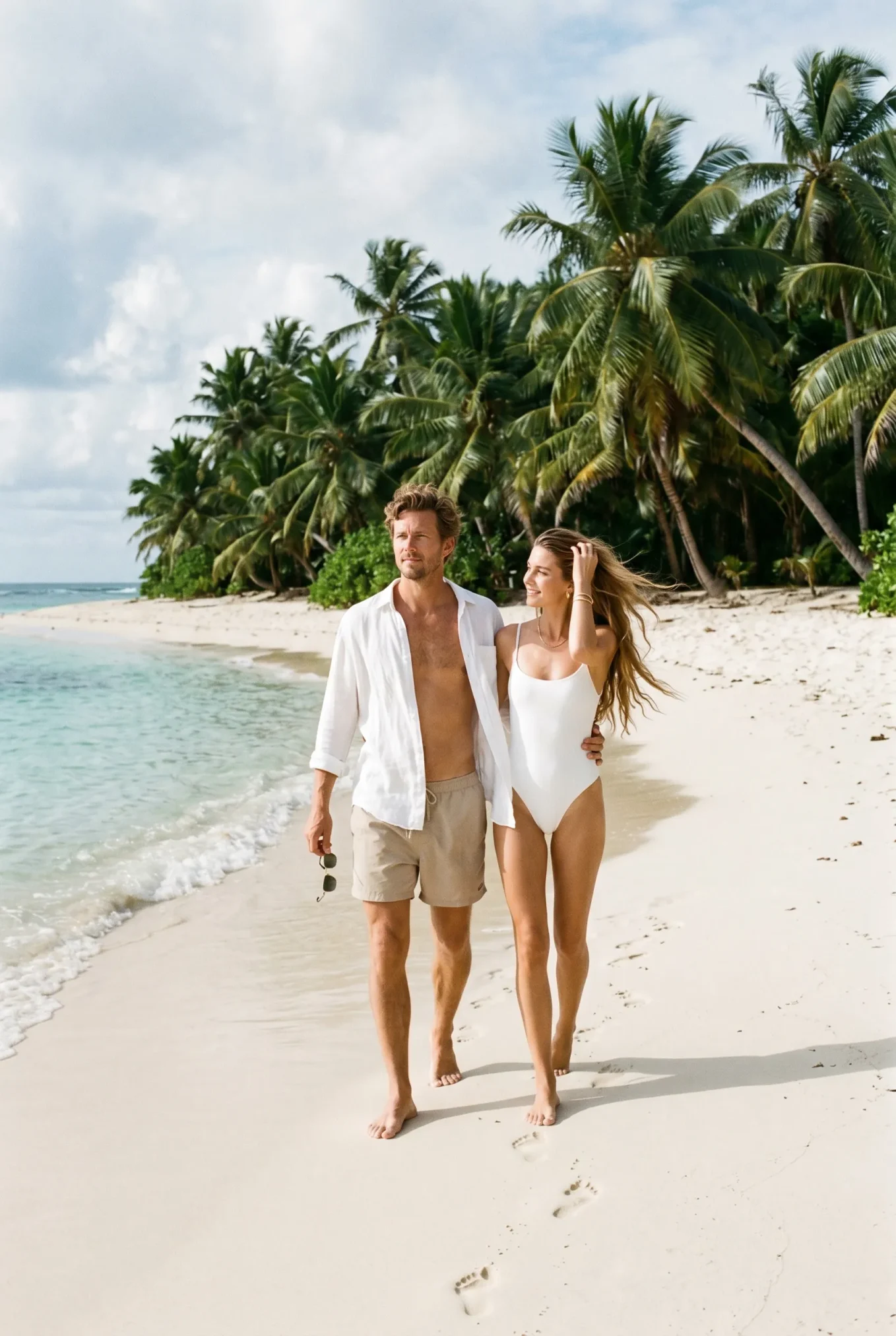
Couple walking barefoot on a white sand beach near the ocean with palm trees in the background

Even aesthetically, the world is shifting away from loud luxury toward environments that feel breathable.

Soft lighting. Open spaces. Thoughtful travel. Smaller dinners. Fewer people. Better conversations.

Less chaos disguised as excitement.

Luxury Learned How to Travel Light


The future of luxury probably will not look like giant closets, ten-car garages, or

marble fountains aggressively screaming about success. It will look lighter than that.

● More flexible.

● More private.

● More intentional.

For affluent people, the dream is no longer to own the world permanently. It is to move

through it beautifully, freely, and without unnecessary weight attached to every experience.

Because eventually even the richest people discover the same truth:

the best luxury is the kind that leaves room to breathe.

Bankmodels Elite Introductions

    Login >